
Dashboards, Portals & Real-Time Systems
Modern dashboards, portals, and real-time systems transform raw data and workflows into intelligent digital experiences—empowering teams, customers, and leaders with instant visibility and seamless access.
Dashboards, portals, and real-time systems unify data, workflows, and live operations into intuitive digital interfaces. Dashboards provide actionable insights; portals offer personalized access; and real-time systems deliver instant updates with minimal latency.
Together, they enable an integrated digital ecosystem that supports faster decisions, stronger collaboration, and seamless user engagement across devices.
1. What Are Dashboards, Portals & Real-Time Systems?
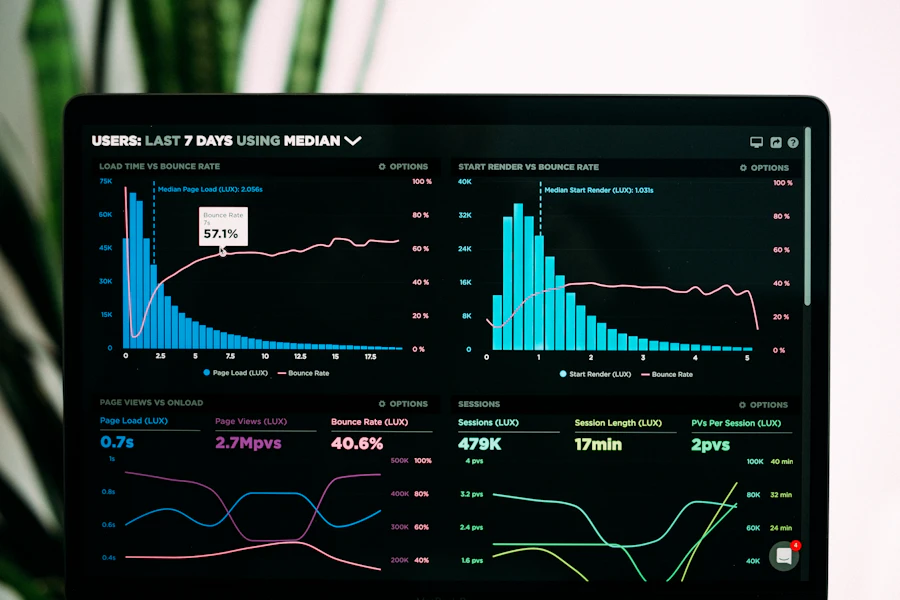
Dashboards consolidate key metrics into interactive views that help teams track performance and make data-driven decisions.
Portals serve as secure digital gateways offering personalized access to services, resources, and workflows for employees, customers, partners, or vendors.
Real-Time Systems deliver instant updates, alerts, and live data streams to support fast decision-making and continuous operations.
Together, they create a unified, intelligent, and connected digital environment.
2. Why These Systems Matter
- Break down operational data silos
- Improve collaboration and transparency
- Enable faster decision-making
- Enhance customer and employee experience
- Automate manual reporting and communication
- Identify issues and opportunities instantly
- Support a culture of data-driven operations
3. Core Components of Dashboards, Portals & Real-Time System Development
a. Business Requirements & User Role Analysis
Understanding user roles, workflows, KPIs, and data needs ensures the platform delivers actionable and relevant value.
b. Data Architecture & Integration Planning
Designing data pipelines, sources, normalization, permissions, and streaming layers ensures accurate and secure data flows.
c. UI/UX Design for Visual Clarity
Clear layouts, responsive designs, and intuitive navigation make dashboards and portals easy to use and understand.
d. Real-Time Engine & System Architecture
Event-driven backend, WebSockets, caching layers, and load balancing enable high-speed updates and concurrency.
e. Dashboard & Portal Development
Building KPI dashboards, automation features, access controls, and self-service modules improves productivity.
f. Security, Authentication & Compliance Controls
MFA, encryption, RBAC, secure sessions, and compliance frameworks protect sensitive data and ensure trust.
g. Performance Optimization & Reliability
Latency reduction, caching, CDN integration, optimized queries, and high availability ensure seamless performance.
h. Monitoring, Maintenance & Continuous Improvements
Ongoing updates, alerts, API enhancements, and user insights ensure long-term system relevance and stability.
4. Benefits of Dashboards, Portals & Real-Time Systems
- Faster, data-driven decision-making
- Centralized access to information and tools
- Improved user workflows and satisfaction
- Increased transparency and accountability
- Operational efficiency and automation
- Stronger collaboration across teams
- Effortless scalability for growing systems
5. When Businesses Need Dashboards, Portals & Real-Time Systems
- Managing large teams or distributed operations
- Handling high-volume transactional or operational data
- Experiencing delays in reporting
- Scaling rapidly and needing visibility
- Offering customer or partner self-service
- Tracking KPIs and performance continuously
- Running IoT, live monitoring, or real-time workflows
6. The Future of Dashboards, Portals & Real-Time Solutions
- AI-powered analytics: Automated insights and predictions
- Voice-driven dashboards: Faster hands-free operations
- Real-time collaboration tools: Live co-editing and teamwork
- Hyper-personalized portals: Dynamic layouts and smart recommendations
- Edge computing: Ultra-low latency for IoT-driven operations
- Advanced data storytelling: Interactive narratives replacing static charts